


Getting into a car accident is stressful enough. Having the other driver lie about what happened makes everything worse. Unfortunately, this scenario plays out regularly on North Carolina roads. Drivers minimize their role, shift blame, or fabricate stories to avoid liability and higher insurance rates. When someone lies about an accident, your compensation and legal rights hang in the balance. Understanding how to respond can make the difference between a successful claim and walking away with nothing.
Why Drivers Lie After Accidents
People lie for predictable reasons. They want to avoid fault, protect their insurance rates, or dodge a traffic citation. Some drivers panic in the moment and create a story they think sounds better than the truth. Others have more calculated motives. Commercial drivers might face job consequences. Drivers with previous violations could lose their licenses. Someone who was texting, drunk, or driving recklessly knows they face serious legal problems. North Carolina follows contributory negligence rules, which means even 1% of fault can bar you from recovering damages. This harsh standard gives dishonest drivers even more incentive to lie.
Evidence That Counters False Statements
Your word against theirs rarely wins cases. Physical evidence does. Police reports document the accident scene, vehicle positions, skid marks, and road conditions. Officers note inconsistencies in driver statements and sometimes indicate who they believe caused the crash. Photographs from the scene prove where damage occurred and how vehicles came to rest. Dashboard cameras and nearby security footage capture exactly what happened. Even photos taken minutes after impact can contradict a fabricated story. Witness statements carry significant weight. Passengers, pedestrians, and other drivers provide independent accounts. Their observations often expose lies quickly. Vehicle damage tells its own story. The location and severity of damage reveal impact angles and speeds. Accident reconstruction specialists analyze this evidence to determine fault when stories conflict. An experienced Charlotte car accident lawyer knows how to counter false statements and build compelling evidence. Attorneys have access to resources unavailable to individuals, including specialized investigators.
What To Do At The Accident Scene
Document everything immediately. Take photos of all vehicles from multiple angles, showing damage, license plates, and the surrounding area. Photograph skid marks, traffic signals, road signs, and weather conditions. Get contact information from witnesses before they leave. Ask for names, phone numbers, and brief statements about what they saw. Call the police and file a report, even for seemingly minor accidents. Officers create an official record that becomes valuable evidence later. Avoid arguing with the other driver about fault. Stay calm and stick to facts when speaking with police. Do not apologize or admit fault, even partially. Anything you say can be used against you.
How Insurance Companies Handle Conflicting Stories
Insurance adjusters investigate claims by collecting statements, reviewing police reports, and examining damage. When stories conflict, they look for corroborating evidence. The other driver’s insurance company will contact you for a recorded statement. Be careful. Adjusters ask leading questions designed to get you to accept partial blame or contradict yourself. You have no legal obligation to provide a statement to the other driver’s insurer. Many Charlotte car accident lawyers recommend declining until you have legal representation. Your own insurance company requires cooperation under your policy terms. Provide accurate information, but keep statements brief and factual.
Building Your Case When Credibility Is Questioned
Strengthening your position requires thorough investigation. This might include:
- Obtaining surveillance footage from nearby businesses or traffic cameras
- Hiring accident reconstruction specialists who analyze physical evidence
- Reviewing phone records that show the other driver was texting
- Examining the other driver’s history of violations or previous accidents
- Consulting medical experts who connect your injuries to the collision
Electronic data from vehicles can also prove what happened. Modern cars record speed, braking, and steering data before crashes. This information can confirm or disprove driver statements.
The Role Of Legal Representation
Legal representation also prevents you from making damaging statements during the claims process. Your attorney handles communications with insurance companies and protects your rights throughout negotiations. The Layton Law Firm understands how frustrating it feels when another driver lies about causing your accident. We gather the evidence needed to establish the truth and pursue the compensation you deserve. Contact our team to discuss your situation and learn about your options for moving forward.
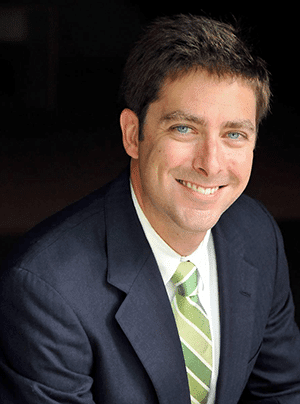 Christopher D. Layton, Esq.
Christopher D. Layton, Esq. is the founder and lead attorney of The Layton Law Firm. He has been practicing law in Charlotte since 2000 and currently focuses on the plaintiff’s needs and personal injury clients. Chris chose to become a lawyer to protect people who would be taken advantage of without strong legal advocacy, and this dedication to the needs of his clients shows in the firm’s strong record of successful results. He founded The Layton Law Firm in 2011.