

A tree fell onto a mobile home in Huntersville on July 7, leaving one person with life-threatening injuries. Storms had moved through the region the night before, and the cause of the fall has not been confirmed. Cases like this raise an important distinction between an unavoidable accident and a hazard someone should have addressed.
What Was Reported in Huntersville
A medic said the tree came down around 3 p.m. on a mobile home off Rollingwood Drive. One person was taken to the hospital. Strong storms had crossed the Charlotte region overnight into that Tuesday morning. As of that evening, officials had not said what caused the tree to fall.
Storm Damage Versus Negligence
Weather alone does not create liability. When a healthy tree comes down in severe wind, the law generally treats it as an event no one could reasonably have prevented.
The analysis changes when the tree was already failing. A property owner who knew, or reasonably should have known, that a tree was dead, decayed, or leaning toward a home may be responsible for the harm it causes. Storms tend to expose problems that were visible for months. For that reason, the condition of the tree before the storm often matters more than the storm itself.
At The Layton Law Firm, we look closely at that history before forming any view on fault.
Warning Signs of a Hazardous Tree
Federal forestry guidance identifies several defects that make a tree more likely to fail, including:
- Dead branches or dead sections of the trunk
- Deep cracks in the trunk or major limbs
- Decay, hollow areas, or fungal growth near the base
- Root damage, lifting soil, or a new lean toward a structure
The USDA Forest Service hazard guidance explains each defect in more detail.
When these signs are present and ignored, a falling tree is no longer simply bad luck.
Who May Be Responsible
Property Owners and Landlords
The owner of the land where the tree grew usually carries the duty to inspect and maintain it. In rental properties and mobile home communities, a landlord or park owner often controls the lot and the trees around it. A neighbor may also be responsible when a defective tree on their property falls across the line. In many of these cases, a homeowner’s liability policy is the source of payment.
Evidence That Supports a Claim
Photographs of the stump and broken trunk can reveal rot that becomes impossible to see once debris is hauled away. Prior complaints, maintenance requests, and text messages about the tree also carry weight. Removal crews work fast after storms. Document conditions early.
The reasons a tree fell are not always obvious from the debris left behind. To have the property’s history examined, reach out to us today to discuss your case. Our Huntersville, NC personal injury lawyer can gather evidence and evaluate whether the owner had notice of the danger.
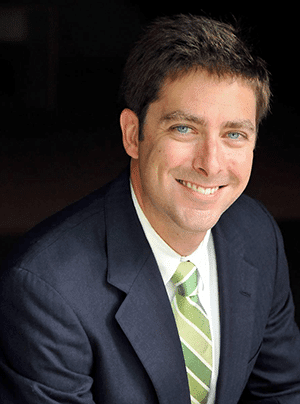 Christopher D. Layton, Esq.
Christopher D. Layton, Esq. is the founder and lead attorney of The Layton Law Firm. He has been practicing law in Charlotte since 2000 and currently focuses on the plaintiff’s needs and personal injury clients. Chris chose to become a lawyer to protect people who would be taken advantage of without strong legal advocacy, and this dedication to the needs of his clients shows in the firm’s strong record of successful results. He founded The Layton Law Firm in 2011.