

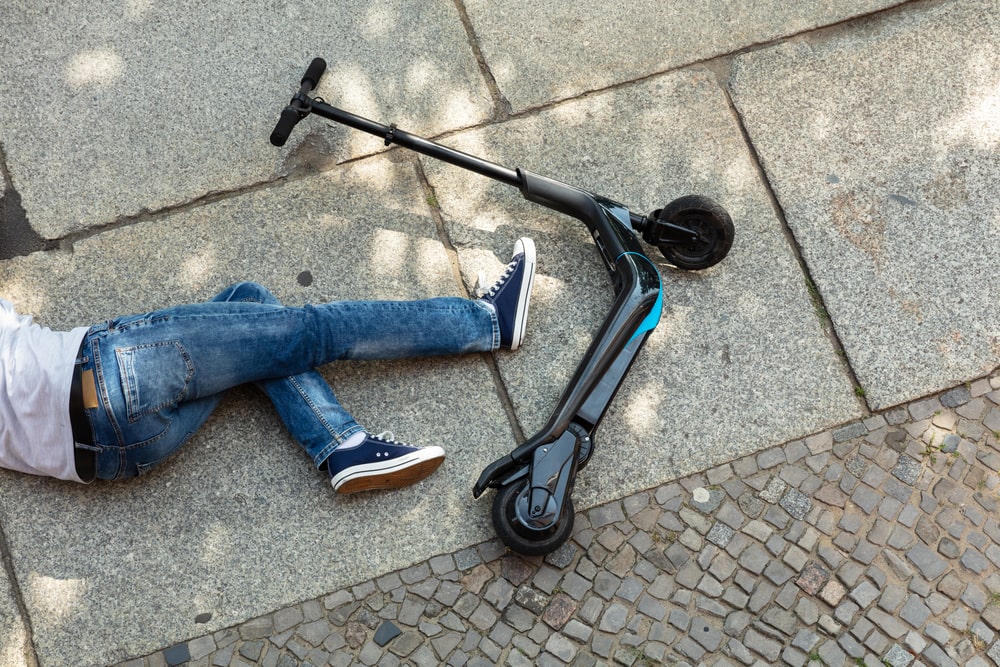
Electric bikes and scooters have transformed urban transportation, but the laws governing them haven’t kept pace with their popularity. When you’re injured while riding an e-bike or electric scooter, questions arise that don’t exist with traditional bicycles. Are you operating a vehicle or riding a bike? Do motor vehicle laws apply? How does your e-bike’s classification affect who bears liability and what compensation you can recover?
Our friends at Disparti Law Group see confusion about these issues from nearly every client injured on motorized bikes or scooters. A bicycle accident lawyer handling e-bike and electric scooter cases knows that vehicle classification dramatically impacts claim strategy and potential recovery.
How E-Bikes And Scooters Are Legally Classified
Most states divide e-bikes into three classes based on motor power and speed capabilities. Class 1 e-bikes provide pedal assistance up to 20 mph. Class 2 e-bikes have throttle-controlled motors limited to 20 mph. Class 3 e-bikes offer pedal assistance up to 28 mph.
Electric scooters typically fall into separate categories with their own speed and power restrictions. Some jurisdictions treat them like bicycles, others regulate them as motor vehicles, and still others have created unique classification systems.
According to PeopleForBikes, most states have adopted the three-class e-bike system, but implementation and local restrictions vary widely. What’s legal in one city may be banned in the next.
Why Classification Matters For Your Injury Claim
The legal category of your e-bike or scooter affects everything from where you can ride to what traffic laws apply to how liability gets determined after an accident. Insurance companies seize on classification ambiguities to shift fault or reduce compensation.
If your e-bike is classified as a motor vehicle in your jurisdiction, you might need insurance, registration, or a license to operate it legally. Riding without these requirements could affect your ability to recover damages, even when another party caused the crash.
Conversely, if your e-bike is treated like a traditional bicycle, you may have access to bike lanes and paths that motor vehicles cannot use. Getting hit while lawfully using these spaces strengthens your liability case.
Common E-Bike And Scooter Accident Scenarios
Motorized bike and scooter accidents happen differently than traditional bicycle crashes because of speed differences and where these devices operate. We see patterns in how these incidents occur:
- Cars turning across bike lanes strike faster-moving e-bikes
- Pedestrians step into scooter paths without anticipating speed
- Mechanical failures from battery or motor malfunctions
- Rental scooters with inadequate maintenance causing crashes
- Conflicts with traditional cyclists in shared bike lanes
- Sidewalk riding violations leading to collisions
Each scenario raises questions about who bears responsibility and what duty of care applies to motorized bike operators versus traditional cyclists.
Speed And The Duty Of Care
E-bikes and electric scooters travel faster than traditional bicycles, sometimes significantly faster. This speed difference affects the standard of care you owe to others and that others owe to you.
Drivers argue they couldn’t anticipate something moving 25 mph in a bike lane and couldn’t react in time. Pedestrians claim they looked for regular bikes but didn’t expect a scooter traveling at motor vehicle speeds. These arguments attempt to shift blame onto e-bike and scooter riders for crashes that result from driver or pedestrian negligence.
The counterargument focuses on legal operation. If you were riding a Class 1 or Class 2 e-bike lawfully in a bike lane at permitted speeds, other road users still owed you a duty to watch for traffic and yield appropriately. Speed alone doesn’t eliminate liability when someone turns into your path or steps out without looking.
Rental Companies And Product Liability
Many electric scooter accidents involve rental units from companies like Bird, Lime, or Spin. These crashes create potential claims against the rental company for inadequate maintenance, defective equipment, or failure to provide safety instructions.
Rental agreements typically include liability waivers attempting to shield companies from injury claims. These waivers don’t always hold up, especially when gross negligence or product defects caused the crash. We’ve seen successful claims despite signed waivers when scooters had known mechanical problems or companies failed to conduct reasonable safety inspections.
When Equipment Failure Causes The Crash
Battery fires, brake failures, and motor malfunctions cause serious e-bike and scooter accidents. These incidents potentially create product liability claims against manufacturers, distributors, or sellers rather than traditional negligence claims against other road users.
Preserving the device after a crash becomes essential for product defect cases. Don’t let rental companies immediately retrieve and potentially repair or destroy evidence of mechanical failure. Document the device’s condition and any obvious defects before releasing it.
Insurance Coverage Questions
Standard auto insurance policies typically exclude coverage for e-bikes and electric scooters because they’re not registered motor vehicles. Homeowners and renters insurance may provide some personal liability coverage, but it varies by policy.
If you’re hit by a car while riding an e-bike or scooter, the driver’s auto insurance should cover your injuries just as if you were on a traditional bicycle. Insurance companies sometimes argue that motorized bikes don’t qualify for the same protections, but these arguments usually fail when the e-bike meets legal classification requirements.
Helmet Laws And Comparative Negligence
Some states require helmets for e-bike riders above certain speeds or power levels. Electric scooter helmet requirements vary even more dramatically by jurisdiction. Not wearing a required helmet can affect your claim through comparative negligence, reducing your recovery percentage.
Even where helmets aren’t legally required, insurance companies argue you assumed greater risk by riding without head protection. This argument applies to e-bikes and scooters more aggressively than traditional bicycles because of the higher speeds involved.
Where You Can Legally Ride
Sidewalk riding restrictions, bike lane access, and road use rules differ for e-bikes and scooters compared to traditional bicycles. Violating these restrictions when you get hit can affect liability determination.
Some cities ban e-bikes from certain bike paths or trails. Others prohibit electric scooters on sidewalks entirely. Riding in prohibited areas when an accident occurs gives insurance companies ammunition to argue you violated traffic laws and contributed to your own injuries.
Age Restrictions And Licensing Requirements
Minimum age requirements for e-bike and scooter operation exist in many jurisdictions. Some require driver’s licenses for higher-powered e-bikes. Operating without meeting age or licensing requirements creates comparative negligence issues even when another party’s actions caused the crash.
Rental companies sometimes fail to verify age before allowing scooter use. Injuries to underage riders create additional liability questions about the company’s duty to prevent illegal rentals.
Proving Your Device Meets Legal Standards
After an accident, you may need to prove your e-bike or scooter complied with local classification requirements. Motor power, speed capabilities, and equipment like lights and reflectors all matter for establishing legal operation.
Manufacturer specifications, receipts showing compliance equipment, and expert testimony about your device’s capabilities help prove you were operating legally. Insurance companies questioning whether your modified e-bike exceeded Class 2 limits can attack your entire claim if you can’t document compliance.
The Evolving Legal Framework
Laws governing e-bikes and electric scooters change frequently as cities and states react to these devices’ growing popularity. What was legal when you bought your e-bike might be restricted now. New ordinances appear regularly, creating confusion about current requirements.
Staying informed about local regulations protects both your safety and your legal rights. Violations that seem minor can become major issues after an accident when insurance companies search for any reason to deny your claim.
If you’ve been injured while riding an e-bike or electric scooter, don’t assume the same rules apply as traditional bicycle accidents. The motorized nature of your device, its classification under local law, and where you were riding all affect liability and compensation. Getting advice from someone familiar with how these unique factors impact injury claims helps you understand your rights and pursue fair recovery for your injuries.
 Christopher D. Layton, Esq.
Christopher D. Layton, Esq. is the founder and lead attorney of The Layton Law Firm. He has been practicing law in Charlotte since 2000 and currently focuses on the plaintiff’s needs and personal injury clients. Chris chose to become a lawyer to protect people who would be taken advantage of without strong legal advocacy, and this dedication to the needs of his clients shows in the firm’s strong record of successful results. He founded The Layton Law Firm in 2011.