

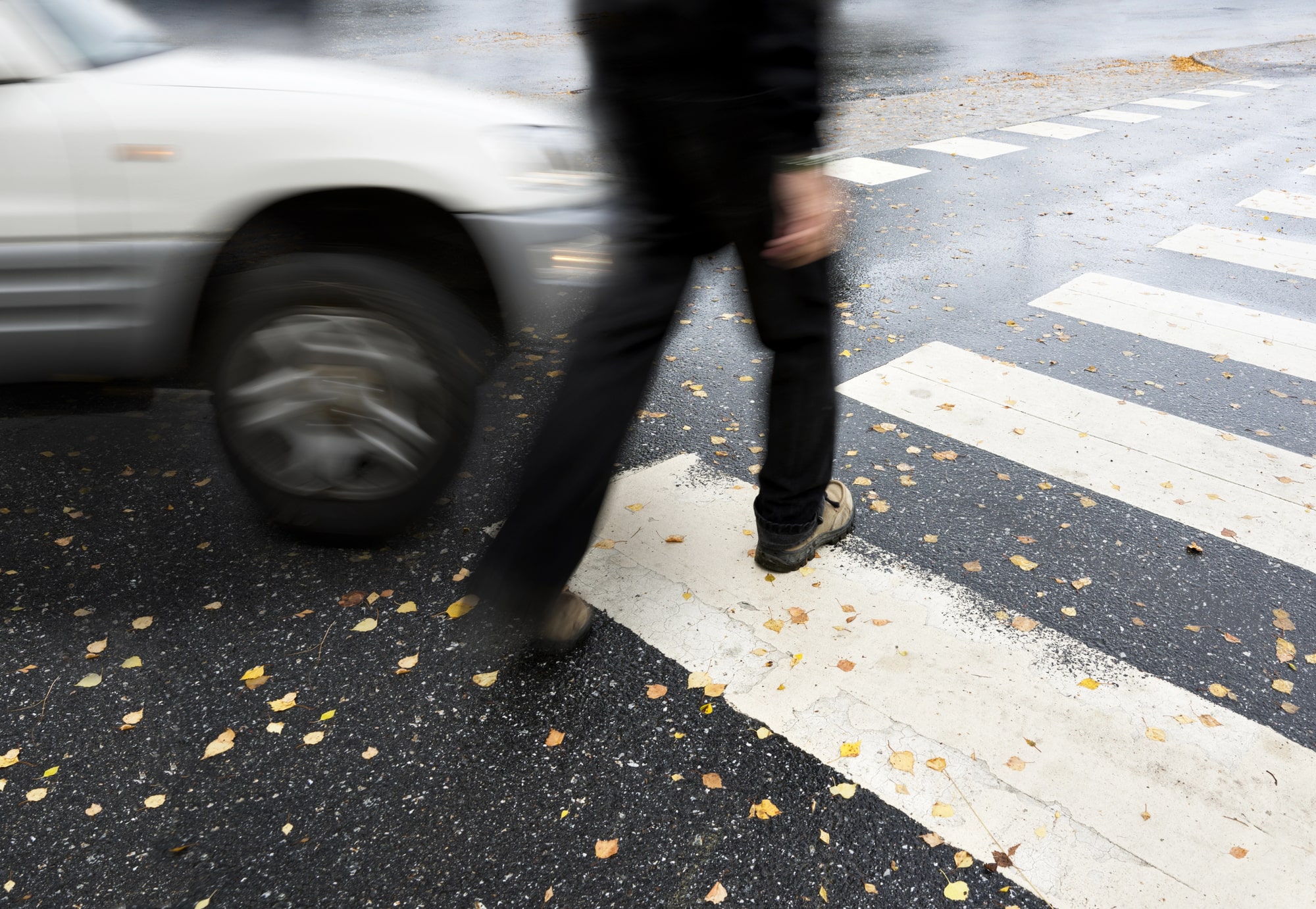
In North Carolina, pedestrian accidents often result in traumatic injuries. While pedestrians are generally known to have the right of way, determining fault in a pedestrian accident is a function of looking at the actions of both the pedestrian and the driver of the vehicle that hit them. It is noteworthy that North Carolina is one of the few states that still embraces the principle of contributory negligence, which means if the injured party (the pedestrian) is found to have contributed in any way to the accident, even minimally, they may be barred from recovering damages and a jury will be instructed to abide by this rule. If you or someone you love has been injured in an accident, our Charlotte, NC personal injury lawyer is here to help.
Analyzing The Actions Of Both Parties
What Was The Duty Of Care
Both drivers and pedestrians are expected to follow traffic laws and exercise reasonable care. Drivers must yield to pedestrians in crosswalks, while pedestrians must obey signals and avoid stepping into traffic suddenly. If you were walking in a crosswalk, the odds are in your favor that you can recover from the driver. If you were not in a crosswalk, you may still be able to recover; however, a few additional facts will need to be proven or shown.
Traffic Laws In The Area
Just because a driver or pedestrian was in violation of an existing traffic law, it does not mean they were at fault. However, the existence of a traffic violation (speed, direction of travel, driving under the influence) can dramatically help prove your case for fault of the driver.
Location And Visibility
The accident’s location (crosswalk, intersection, roadway) and visibility conditions are weighed in determining liability or fault. A jury will be asked to place themselves in the shoes of a ‘reasonable’ driver in the same conditions as the accident, and decide whether a reasonable driver would have or should have been able to avoid the pedestrian.
Evidence
There is a multitude of evidence that can be gathered from the police report, witnesses who saw the accident, camera footage which captured the accident, and even experts who are hired to reconstruct the accident. The cumulative power of this evidence will be used as deciding factors in determining fault.
Contributory Negligence
North Carolina is one of the few states that still applies the pure contributory negligence rule. As mentioned above, this means that if the pedestrian is found to be even 1% at fault for the accident, they will not recover anything from the driver. Some examples are: walking outside of a crosswalk, intoxication, a sudden entrance into the roadway.
Last Clear Chance
While Contributory Negligence can be a bar to recovery in a personal injury claim in North Carolina, there is also a doctrine which admits contributory negligence and evokes another doctrine called Last Clear Chance. Last Clear Chance essentially says that even though the pedestrian was negligent, the driver (or a reasonable driver in their place) still could have seen the pedestrian and avoided the accident.
Fault in a North Carolina accident is a function of looking at the actions of both parties involved. Then, contributory negligence is applied. Finally, the possibility of Last Clear Chance is applied. For this reason, it is crucial to have a North Carolina pedestrian accident lawyer examine your case rather than simply relying on a mistaken belief that you can’t recover compensation for your injuries. If you or someone you care about has been injured in an accident, contact The Layton Law Firm today.
 Christopher D. Layton, Esq.
Christopher D. Layton, Esq. is the founder and lead attorney of The Layton Law Firm. He has been practicing law in Charlotte since 2000 and currently focuses on the plaintiff’s needs and personal injury clients. Chris chose to become a lawyer to protect people who would be taken advantage of without strong legal advocacy, and this dedication to the needs of his clients shows in the firm’s strong record of successful results. He founded The Layton Law Firm in 2011.