
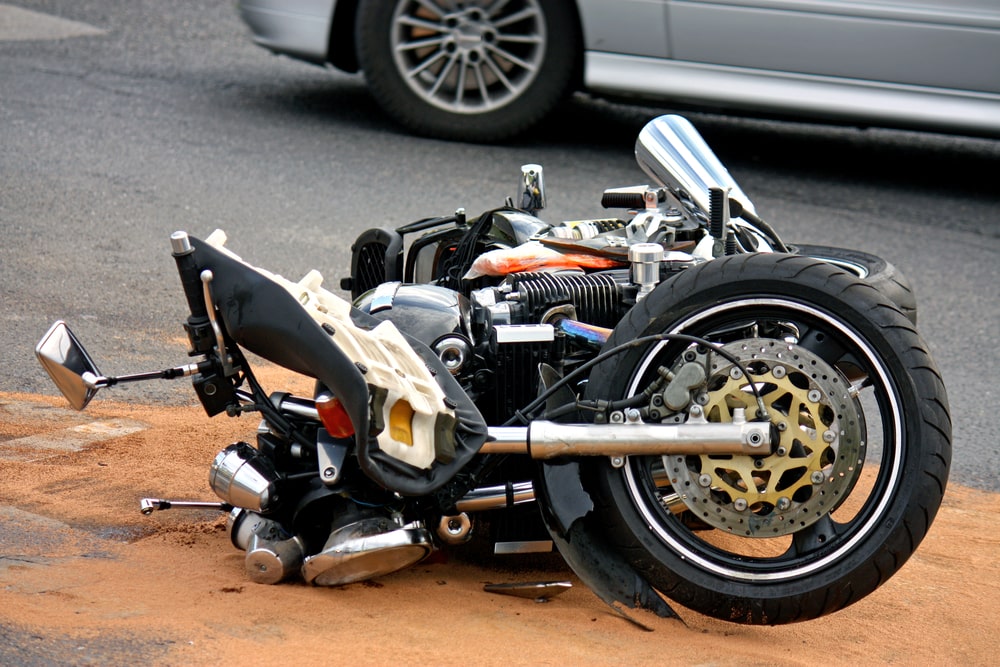
A driver sees a gap in oncoming traffic and turns left. They didn’t see the motorcycle coming straight through the intersection. Or they saw it but misjudged the speed.
The result is almost always devastating.
Left-turn accidents are the single most common type of fatal motorcycle crash involving another vehicle. According to NHTSA data, 44% of all two-vehicle fatal motorcycle crashes in 2022 involved another vehicle turning left in front of a motorcyclist traveling straight. In 76% of two-vehicle motorcycle crashes, the motorcycle was struck from the front—and left-turn scenarios account for the majority of these impacts.
The physics explain the carnage. A rider traveling 35 mph has almost no time to react when a car suddenly appears across their path. Braking may cause a slide. Swerving may succeed or may send the rider into oncoming traffic. Often the rider impacts the turning vehicle directly, with the motorcycle’s front end colliding with the car’s side at full speed.
Why Drivers Keep Making This Mistake
Human perception fails motorcycles. Studies show drivers frequently look directly at approaching motorcycles and fail to register their presence—a phenomenon called “inattentional blindness.” The driver’s brain is scanning for threats sized like cars and trucks. A motorcycle’s narrow profile doesn’t trigger the same recognition.
Speed misjudgment compounds this. Drivers consistently underestimate how fast motorcycles are traveling, particularly on Charlotte’s major roads where traffic flows quickly. A motorcycle moving at the speed limit can appear to be traveling slower than it actually is because of its small visual footprint.
Intersection design contributes as well. Left turns require drivers to track multiple lanes of oncoming traffic while also watching for pedestrians and checking their turning path. This cognitive load increases errors. The intersections with the highest motorcycle crash rates in Charlotte—Independence and Albemarle, North Tryon and University City Boulevard—feature multiple turn lanes, heavy traffic volumes, and complex signal timing.
The Liability Question
In most left-turn motorcycle crashes, the turning driver bears liability. The duty of care requires drivers making left turns to yield to oncoming traffic until the turn can be completed safely. Failing to see a motorcycle doesn’t excuse the failure to yield—drivers must look carefully enough to see what’s actually there.
But insurance companies still fight these claims aggressively. They’ll argue the motorcyclist was speeding, making the collision the rider’s fault under North Carolina’s harsh contributory negligence standard. They’ll claim the rider should have anticipated the turn and taken evasive action. They’ll question whether the motorcycle’s headlight was operating properly.
Defeating these arguments requires solid evidence. Traffic light timing records can establish who had the right of way. Witness testimony from other motorists at the intersection matters. Accident reconstruction experts can calculate speeds from physical evidence—skid marks, vehicle damage patterns, and final rest positions.
Injuries in Left-Turn Crashes
The front-impact nature of left-turn crashes produces specific injury patterns. Riders often suffer:
Lower extremity trauma. The motorcycle typically falls on the rider’s leg during the crash sequence, causing fractures of the tibia, fibula, femur, and pelvis. Crush injuries requiring surgical reconstruction are common.
Upper body injuries. Riders who impact the turning vehicle directly often strike it with their chest or torso, causing rib fractures, internal organ damage, and thoracic spine injuries.
Head and brain trauma. Even helmeted riders sustain traumatic brain injuries from the sudden deceleration. Post-concussion syndrome can persist for months or years.
The severity of these injuries often requires immediate treatment at Charlotte’s trauma centers—Atrium Health Carolinas Medical Center or Novant Health Presbyterian.
Protecting Your Claim
After a left-turn crash, you may be too injured to gather evidence yourself. If possible, have someone photograph the scene, including vehicle positions, traffic signals, and any visible injuries. Get contact information from witnesses before they leave.
Request a copy of the police report from CMPD Records at 704-336-2848. The report may contain the officer’s preliminary fault assessment, though this isn’t binding in a civil case.
Document all medical treatment and follow your doctors’ recommendations fully. Gaps in treatment or refusal to follow medical advice will be used against you.
Our Charlotte motorcycle accident lawyers have handled hundreds of left-turn crash cases. We understand how to counter insurance company tactics and present compelling evidence of the driver’s negligence.
Visit The Layton Law Firm of Charlotte, NC – Your Motorcycle Accident Lawyers
1001 East Blvd, First Floor Charlotte, NC 28203
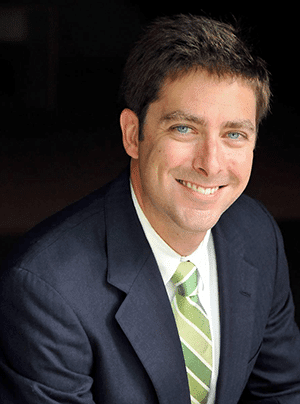 Christopher D. Layton, Esq.
Christopher D. Layton, Esq. is the founder and lead attorney of The Layton Law Firm. He has been practicing law in Charlotte since 2000 and currently focuses on the plaintiff’s needs and personal injury clients. Chris chose to become a lawyer to protect people who would be taken advantage of without strong legal advocacy, and this dedication to the needs of his clients shows in the firm’s strong record of successful results. He founded The Layton Law Firm in 2011.