


A motorcycle crash isn’t like other vehicle accidents. The vulnerability tells the story: a 600-pound bike offers no steel cage, no airbags, no crumple zones—just you against whatever hits you. The NHTSA reports that motorcyclists are 28 times more likely to die in a crash than passenger car occupants, per mile traveled. In 2023, 6,335 motorcyclists died on American roads—the highest number since federal recordkeeping began in 1975. Another 82,564 were injured.
But the differences extend beyond injury severity. Motorcycle accident cases involve challenges that standard auto claims don’t present: pervasive bias against riders, insurance companies eager to blame the victim, North Carolina’s brutal contributory negligence rule that can destroy valid claims, and crash dynamics that demand specialized investigation. Handle these cases like regular fender benders—or let insurance adjusters control the narrative—and you lose cases you should have won.
At Layton Law, we understand what makes motorcycle accident litigation different. Christopher Layton has spent 15 years fighting for Charlotte accident victims, and he knows that motorcycle cases demand an approach that counters anti-rider bias, preserves critical evidence, and establishes clear fault before insurance companies can shift blame. If you’ve been seriously injured while riding, we can help you navigate this process and fight for the compensation you deserve.
Why Motorcycle Accidents Require a Different Approach
 Most personal injury attorneys handle motorcycle crashes the same way they handle minor car accidents. That’s a mistake. Here’s why these cases demand specialized expertise:
Bias Against Riders Is Real
Insurance adjusters, defense attorneys, and even jurors often view motorcyclists negatively. They assume riders take unnecessary risks. They believe choosing a motorcycle means accepting the consequences when someone else’s negligence causes a crash. They discount injuries because riders “should have known” the dangers.
This bias affects every stage of your case. Adjusters scrutinize motorcycle claims more aggressively. Defense attorneys build narratives around “reckless” riding even when the rider did nothing wrong. Juries sometimes sympathize less with injured motorcyclists than with other accident victims.
Countering this bias requires an attorney who understands it exists and knows how to combat it with evidence, expert testimony, and strategic presentation.
Visibility Creates Unique Liability Issues
“I didn’t see the motorcycle” is the most common excuse drivers give after hitting riders. And it’s often true—they looked but didn’t register what they saw. A motorcycle’s narrow profile doesn’t trigger the same recognition as a car or truck. Drivers scan for vehicle-sized shapes and miss the bike traveling legally in the adjacent lane.
But failure to see isn’t a defense. Drivers have a duty to look carefully enough to see what’s actually there. Establishing this negligence requires understanding how these crashes happen and why driver perception fails.
Contributory Negligence Hits Riders Harder
North Carolina’s contributory negligence rule bars recovery if you’re found even 1% at fault. Insurance companies exploit this rule mercilessly in motorcycle cases. They argue you were speeding—even if you weren’t. They claim your lane position was improper. They suggest dark-colored gear made you invisible. They question whether your headlight was functioning.
Any argument that suggests rider fault, no matter how slight, becomes grounds to pay nothing. Building a case that defeats these tactics requires thorough investigation from day one.
Insurance Companies Fight Motorcycle Claims Aggressively
Insurers know motorcycle injuries are severe and expensive. They respond by fighting harder to deny or minimize claims. They take recorded statements hoping you’ll say something they can twist. They request unnecessary medical authorizations to fish for pre-existing conditions. They delay hoping financial pressure forces you to accept lowball offers.
You need representation that matches their tactics and resources.
⭐⭐⭐⭐⭐
“Layton Law came in like rock stars and got things moving immediately. I truly felt like someone had my back through a really difficult time.” — David Frazier
Charlotte: Dangerous Roads for Motorcyclists
 Charlotte’s explosive growth has made its roads increasingly hazardous for riders. More vehicles, more construction zones, more distracted drivers—all sharing pavement with motorcyclists who have no protection when collisions occur.
Mecklenburg County consistently ranks among North Carolina’s deadliest for motorcycle crashes. According to NCDOT crash data, the county sees approximately 280 motorcycle crashes annually, resulting in over 200 injuries and more than a dozen fatalities. Statewide, North Carolina recorded over 3,900 motorcycle crashes in a recent year, including 205 fatal crashes and more than 3,000 causing serious injuries. Charlotte accident statistics confirm the danger these roads present.
High-risk areas for motorcycle accidents in the Charlotte region include:
I-77/I-85 Interchange – Complex merging patterns and heavy traffic create constant lane-change hazards. Drivers focused on navigation miss motorcycles in adjacent lanes.
Independence Boulevard (US-74) – Among Charlotte’s dangerous intersections, the combination of highway speeds and frequent access points creates particular danger for riders.
I-485 Beltway – The outer loop’s high speeds and heavy commercial traffic mean lane changes happen constantly. Each one is an opportunity for a driver who doesn’t check blind spots.
North Tryon Street/University City Boulevard – High traffic volumes and commercial development create left-turn hazards at multiple intersections.
South Boulevard – Light rail crossings, turning traffic, and pedestrian activity demand attention that distracted drivers don’t always provide.
Our attorneys know these roads. We know where motorcycle accidents happen, why they happen, and how to investigate them effectively. Understanding Mecklenburg County courts also helps us navigate local procedures efficiently.
Types of Motorcycle Accidents We Handle
 We represent riders injured in all types of motorcycle crashes:
The deadliest crash type for motorcyclists. NHTSA data shows 44% of fatal two-vehicle motorcycle crashes involve a vehicle turning left in front of a rider traveling straight. Drivers fail to see approaching motorcycles or misjudge their speed. The rider has almost no time to react. These front-impact collisions cause catastrophic injuries—crushed limbs, massive internal trauma, fatal head injuries.
A distracted driver fails to notice the motorcycle stopped at a traffic light. The impact throws the rider forward—often over the handlebars. Approximately 11% of fatal two-vehicle motorcycle crashes are rear-end collisions, but the injuries are devastating: spinal cord damage, traumatic brain injury, internal bleeding. These crashes typically establish clear liability—the following driver almost always bears fault.
Lane Change and Blind Spot Crashes
Motorcycles fit entirely within blind spots that wouldn’t hide a car. When drivers change lanes without checking properly—relying only on mirrors instead of turning to look—they sideswipe riders or force them off the road. Sideswipe crashes account for roughly 5% of fatal two-vehicle motorcycle collisions, but many more crashes occur when riders are forced to lay down their bikes to avoid contact.
The driver who hit you fled the scene. Under N.C.G.S. § 20-166, leaving the scene of an injury crash is a Class H felony; causing serious injury or death elevates it to Class F. But criminal penalties don’t compensate you. If the driver remains unidentified, your own uninsured motorist coverage becomes your primary recovery source—and your insurance company will fight that claim aggressively.
Road Hazard and Construction Zone Crashes
Potholes, loose gravel, steel plates, uneven pavement—hazards that cars barely notice can throw motorcycles out of control. NHTSA estimates road hazards cause nearly one-third of single-vehicle motorcycle crashes. Work zone crashes claimed 898 lives nationwide in 2023. Government entities responsible for road maintenance may be liable, but claims against government defendants involve special notice requirements and shortened deadlines.
Head-On Collisions
When vehicles cross the center line, motorcyclists have no protection. In two-vehicle fatal motorcycle crashes, 77% of motorcycles were struck head-on. Wrong-way driving, crossing the center line, or losing control puts cars directly in the path of oncoming riders. These crashes are frequently fatal; survivors often face permanent disability.
Intersection Crashes
About 50% of two-vehicle motorcycle crashes occur at intersections. Drivers running red lights, rolling through stop signs, or failing to yield create collision situations where riders pay the price for others’ negligence.
Drunk Driving Crashes
Approximately 26% of motorcyclists killed in 2023 died in crashes involving alcohol-impaired drivers. When a drunk driver injures you, punitive damages may be available beyond standard compensation—punishment for conduct North Carolina law considers particularly egregious.
Dooring Accidents
A driver or passenger opens a car door directly into a motorcycle’s path. The rider has no time to react. These crashes happen frequently in Charlotte’s urban areas and cause severe injuries including fractures, road rash, and head trauma.
Common Causes of Motorcycle Accidents
 Understanding why crashes happen helps establish negligence and build stronger cases:
Failure to See Motorcycles
The most common factor. Drivers look but don’t register what they’re seeing. A motorcycle’s narrow profile doesn’t trigger the same threat recognition as a car or truck. Drivers scan for vehicle-sized shapes and miss the bike in the adjacent lane. This phenomenon—sometimes called “inattentional blindness”—explains why crashes happen to visible, legally-operating riders. But it doesn’t excuse the driver’s failure to look carefully.
Left-Turn Misjudgment
Drivers making left turns consistently underestimate motorcycle speeds and distances. The combination of a motorcycle’s small visual profile and the cognitive load of completing a turn produces deadly errors. The driver sees the motorcycle, decides they have time to turn, and doesn’t.
Distracted Driving
Cell phones, navigation systems, passengers, food—anything that diverts attention creates danger. The NHTSA reports that distracted driving killed 3,308 people in 2022. For motorcyclists, a driver’s momentary distraction—three seconds looking at a phone—can be fatal.
Unsafe Lane Changes
Failure to check blind spots before changing lanes causes countless motorcycle crashes. Many drivers make lane changes with only a mirror glance, never turning to see what their mirrors don’t show. At highway speeds, the resulting crashes cause severe injuries.
Following Too Closely
Motorcycles can stop faster than cars—riders often downshift to slow without activating brake lights. Drivers who tailgate have no time to react when a motorcycle ahead slows suddenly for road debris or traffic. The resulting rear-end collisions are devastating.
Speeding
Drivers who speed have less time to perceive motorcycles and less distance to stop. Speed also increases crash severity dramatically. A collision at 45 mph causes far more damage than one at 25 mph—physics that speeding drivers ignore until it’s too late.
Impaired Driving
Alcohol and drugs impair the judgment and reaction times drivers need to safely share roads with motorcycles. Impaired drivers are more likely to run red lights, cross center lines, and fail to notice motorcycles in adjacent lanes. NHTSA data shows impairment remains a leading factor in fatal motorcycle crashes.
Road Conditions
Potholes, gravel, wet pavement, oil slicks, debris, and construction hazards disproportionately affect motorcycles. Two wheels provide less stability than four, and motorcycle tires have smaller contact patches with the road surface. Hazards that cars drive over without noticing can cause riders to lose control.
North Carolina Motorcycle Laws
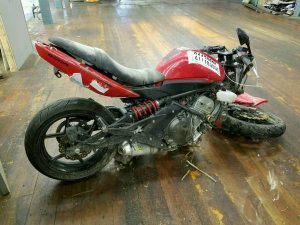 North Carolina imposes specific requirements on motorcycle operation. Understanding these laws matters both for safe riding and for protecting your legal rights after a crash.
Helmet Requirements
Under N.C.G.S. § 20-140.4, all motorcycle operators and passengers must wear helmets meeting Federal Motor Vehicle Safety Standard 218 at all times on public roads. North Carolina has no age exemptions or experience exemptions—everyone must wear a compliant helmet with a properly secured retention strap.
Critically, the statute specifies that helmet violations “shall not be considered negligence per se or contributory negligence per se in any civil action.” This means failure to wear a helmet cannot automatically defeat your injury claim. Insurance companies may still argue that lack of a helmet worsened your injuries, but the statutory protection is explicit.
Eye Protection
North Carolina requires eye protection when operating a motorcycle unless the bike is equipped with a windscreen. Goggles, glasses, or face shields attached to helmets satisfy this requirement.
Licensing Requirements
Operating a motorcycle in North Carolina requires either a motorcycle endorsement on your driver’s license or a motorcycle-only license. According to NHTSA, 34% of motorcyclists in fatal crashes in 2023 were riding without valid motorcycle licenses—a controllable risk factor.
Lane Splitting
North Carolina does not permit lane splitting—riding between lanes of stopped or slow-moving traffic. Unlike California, which explicitly allows the practice, North Carolina law requires motorcycles to occupy a full lane. If you were lane splitting when a crash occurred, insurance companies will use this against you under the contributory negligence rule.
Equipment Standards
Motorcycles must meet equipment requirements including functional brakes, proper lighting (headlamp, tail lamp, brake light, turn signals), mirrors, and mufflers. Equipment violations don’t necessarily bar injury claims, but they can complicate cases.
Injuries in Motorcycle Accidents
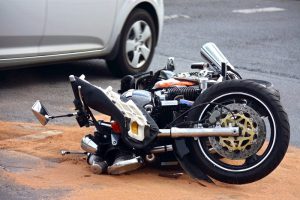 The lack of protection in motorcycle crashes means injuries tend to be severe or catastrophic:
Traumatic Brain Injuries
Even with helmet use, traumatic brain injury remains a leading cause of death and disability in motorcycle crashes. The violent forces in collisions cause concussions, contusions, and severe brain damage. The CDC identifies TBI as a major cause of disability. Helmets reduce TBI risk by 69% but cannot eliminate it. These injuries affect cognition, personality, and physical function—sometimes permanently.
Spinal Cord Injuries
Impact forces traveling through the spine can fracture vertebrae, damage discs, and injure the spinal cord itself. Complete spinal cord injuries cause permanent paralysis. Incomplete injuries may allow some function below the injury level but still cause life-altering disability requiring extensive medical care and home modifications.
Multiple Fractures
The forces in motorcycle crashes commonly break multiple bones simultaneously. Lower extremity fractures—tibia, fibula, femur, ankle, pelvis—occur when the motorcycle falls on the rider or legs impact other vehicles. Upper extremity fractures happen when riders extend arms to break falls. These fractures may require multiple surgeries, extensive rehabilitation, and still leave permanent limitations.
Internal Organ Damage
Blunt force trauma from motorcycle collisions damages internal organs even without visible external injury. Liver and spleen lacerations cause internal bleeding. Punctured lungs, kidney damage, and cardiac contusions all occur. These injuries may not be immediately apparent but can be life-threatening without prompt treatment at a Level I trauma center.
Road Rash
When riders slide across pavement, exposed skin abrades against the road surface. Severe road rash removes multiple layers of skin, damages underlying tissue, and creates wounds susceptible to infection. Treatment is painful and often requires skin grafts. Scarring is frequently permanent.
Burns
Motorcycle accidents involving fuel leaks or post-crash fires cause severe burns. Engine contact causes burns in some crashes. Chemical burns from battery acid exposure also occur. Burn treatment is lengthy, expensive, and leaves permanent scarring.
Crush Injuries and Amputation
Crush injuries from motorcycle crashes sometimes require surgical amputation of limbs. More commonly, traumatic amputation occurs at the scene when limbs are caught between vehicles or struck by debris.
Soft Tissue Injuries
Even in less severe crashes, damage to muscles, tendons, and ligaments causes significant pain and functional limitations. Shoulder, knee, and back injuries may require surgical repair and extensive physical therapy.
Wrongful Death
Too many motorcycle accidents prove fatal. When a loved one dies due to another driver’s negligence, families can pursue wrongful death claims under N.C.G.S. § 28A-18-2.
Proving Liability in Motorcycle Accident Cases
 Building a successful motorcycle accident case requires thorough investigation and establishing clear causation:
Scene Documentation
Photographs of the crash scene, vehicle positions, road conditions, traffic signals, and debris patterns help reconstruct what happened. This evidence disappears quickly—skid marks fade, vehicles get repaired, intersections return to normal. We work to document everything before it’s gone.
Witness Statements
Eyewitness accounts provide crucial information about how the crash occurred—which vehicle had the right of way, whether signals were used, what the traffic light showed. We locate and interview witnesses before their memories fade or they become difficult to find.
Police Reports
The responding officer’s report documents the crash scene, witness statements, and often includes a preliminary fault assessment. We obtain these reports from CMPD or state highway patrol promptly.
Traffic Camera Footage
NCDOT traffic cameras and private security cameras may have captured the crash. This footage provides objective evidence of what happened but gets overwritten quickly. We send preservation requests immediately.
Vehicle Data
Modern motorcycles may contain data recording speed, braking, and other information before impact. The at-fault driver’s vehicle likely contains similar electronic data. This evidence can refute false claims about how the crash occurred.
Accident Reconstruction
We work with accident reconstruction experts who analyze physical evidence, vehicle damage, and available data to determine exactly what happened and why. Their testimony can be powerful in countering defense narratives about rider fault.
Medical Records
Complete documentation of your injuries, treatment, and prognosis is essential for proving damages. We coordinate with medical providers to ensure records fully reflect injury severity and the connection to the crash.
Cell Phone Records
If distracted driving caused the crash, the at-fault driver’s cell phone records can prove they were texting, calling, or using apps at the time of impact. We pursue this evidence through formal discovery.
Compensation in Motorcycle Accident Cases
 Motorcycle accident cases typically involve significant damages due to injury severity. We pursue both economic and non-economic damages:
Economic Damages
Emergency medical treatment and hospitalization Surgeries and ongoing medical care Physical therapy and rehabilitation Future medical expenses for permanent injuries Lost wages during recovery Lost earning capacity if disabilities prevent returning to work Home modifications for permanent disabilities Property damage to your motorcycle and gear
Non-Economic Damages
Pain and suffering Mental anguish and emotional distress Loss of enjoyment of life Permanent disability or disfigurement Loss of consortium Scarring and disfigurement
Punitive Damages
In cases involving particularly egregious conduct—such as drunk driving, excessive speeding, or knowing disregard of safety—North Carolina law may allow punitive damages under N.C.G.S. § 1D-15 to punish wrongdoing and deter similar conduct.
We identify all available insurance coverage and pursue the full value of your claim. We calculate claim value thoroughly before entering negotiations.
North Carolina’s Contributory Negligence Rule
 North Carolina follows contributory negligence rules under N.C.G.S. § 1-139. If you’re found even 1% at fault for the accident, you may be barred from recovery entirely.
Insurance company lawyers exploit this rule aggressively in motorcycle cases. They’ll claim you were speeding, following too closely, in the driver’s blind spot, wearing dark gear, or otherwise contributed to the crash. They’ll hire experts to support these arguments. They’ll twist anything you said at the scene or to adjusters into an admission of fault.
We build cases that establish clear driver negligence and counter victim-blaming tactics. Thorough investigation and strong evidence are the best defenses against contributory negligence arguments. We also prepare for the specific anti-motorcycle bias that can make these arguments more persuasive to adjusters and juries.
The Legal Process in Motorcycle Accident Cases
 Motorcycle accident cases require careful handling from the start:
Immediate Investigation
We begin evidence collection immediately after accepting a case. Scene photographs, witness interviews, preservation letters to prevent evidence destruction—delay means lost evidence that could prove your case.
Medical Documentation
We ensure your injuries are properly documented by appropriate specialists. Complete medical records are essential for proving damages and connecting injuries to the crash.
Expert Consultations
We work with accident reconstructionists, medical specialists, and economists to build comprehensive cases that establish both liability and full damages.
Thorough Discovery
We obtain the at-fault driver’s cell phone records, vehicle data, driving history, and any other relevant evidence through formal discovery processes.
Strategic Negotiation
Most motorcycle accident cases settle before trial, but we prepare every case as if it’s going to court. Strong preparation produces better settlements. Insurance companies know which attorneys are willing to try cases.
Trial When Necessary
When insurance companies refuse to offer fair compensation, we’re prepared to take your case to trial. We handle all settlement liens and ensure you receive your compensation promptly.
⭐⭐⭐⭐⭐
“My lawyer showed strength, care, and professionalism throughout my entire case. I always felt informed and supported, and the results exceeded my expectations.” — Mary Kelly
Time Limits and Deadlines
 North Carolina’s statute of limitations gives you three years to file a personal injury lawsuit under N.C.G.S. § 1-52. Wrongful death claims must be filed within two years under N.C.G.S. § 1-53.
But these deadlines are misleading. In motorcycle accident cases, evidence preservation matters more than filing deadlines. Traffic camera footage gets overwritten within days. Witness memories fade within weeks. Physical evidence at the crash scene disappears almost immediately. The at-fault driver’s vehicle data can be lost when the car is repaired or sold. Waiting months to contact an attorney may mean losing the evidence that proves your case.
Contact a Charlotte motorcycle accident lawyer immediately after any serious crash. Understanding when to hire a lawyer can make the difference in your case.
What to Do After a Motorcycle Accident
At the Scene
Call 911 and request police and medical assistance Seek medical attention for any injuries—adrenaline masks pain If possible, photograph the scene, vehicle positions, damage, and your injuries Document the other driver’s license plate, insurance, and contact information Get contact information from witnesses Don’t admit fault or apologize Don’t discuss the accident with the other driver’s insurance company
In the Following Days
Get a complete medical evaluation—some injuries don’t appear immediately Follow all medical recommendations and attend all appointments Keep detailed records of symptoms, treatments, and expenses Obtain your police report from CMPD or state highway patrol Don’t give recorded statements to any insurance company Don’t post about the accident on social media Contact a Charlotte motorcycle accident attorney before the insurance company builds its case against you
Understanding what to do after an accident protects your legal rights. If your motorcycle was damaged, Charlotte auto body shops can assess the damage while Charlotte towing companies can transport your bike if needed.
Frequently Asked Questions
 How are motorcycle accident cases different from car accident cases?
Motorcycle cases involve anti-rider bias, more severe injuries, and aggressive insurance tactics designed to blame riders for crashes they didn’t cause. They require an attorney who understands these unique challenges and knows how to counter them.
What if I wasn’t wearing a helmet?
North Carolina law explicitly states that helmet violations cannot constitute negligence per se or contributory negligence per se in civil actions. Your case isn’t automatically defeated. However, insurance companies may still argue that lack of a helmet worsened your injuries.
What if the driver says they didn’t see me?
Failure to see a motorcycle isn’t a defense—it’s evidence of negligence. Drivers have a legal duty to look carefully enough to see what’s actually on the road. We build cases that establish the driver’s failure to exercise reasonable care.
How much is my motorcycle accident case worth?
Case value depends on injury severity, medical expenses, lost income, pain and suffering, and liability strength. Motorcycle accident cases often involve substantial damages due to injury severity. We provide honest assessments during free consultations.
What if the at-fault driver has minimal insurance?
We explore all recovery sources: your own underinsured motorist coverage, any other potentially liable parties, and umbrella policies the at-fault driver might have.
Should I talk to the other driver’s insurance company?
No. Don’t give recorded statements. Don’t accept early settlement offers. The insurance company represents the driver who hit you, not your interests. Contact an attorney first.
What if I was partially at fault?
North Carolina’s contributory negligence rule makes this critical. Any fault on your part could bar recovery entirely. We build cases that establish clear driver negligence and counter victim-blaming arguments.
How long do motorcycle accident cases take?
Timelines vary based on injury severity, treatment duration, and whether litigation becomes necessary. Simple cases may resolve in months; serious injury cases often take a year or more.
Do I really need a lawyer for a motorcycle accident case?
Insurance companies have experienced adjusters and attorneys working against your interests immediately. They know motorcycle cases involve anti-rider bias and contributory negligence arguments. Without equal representation, you’re at a significant disadvantage.
About Layton Law
 Christopher Layton founded this firm to help people facing powerful opponents—including insurance companies determined to deny valid motorcycle accident claims. He earned his law degree from Wake Forest University and has practiced personal injury law in Charlotte for 15 years. He’s a member of the North Carolina State Bar and admitted to practice in the Federal Western District of North Carolina.
Chris has lived in Charlotte for 24 years. He knows these roads and understands the specific challenges motorcyclists face—both on the pavement and in the legal system. When he’s not fighting for clients, he’s hiking local trails, performing standup comedy, or spending time with his wife, two daughters, and yellow lab Fisher.
Every client gets direct access to Chris. We handle cases on a contingency fee basis—you pay nothing unless we recover money for you. We don’t treat cases like numbers. We treat people like people.
Other Practice Areas
 Car Accidents – Including rear-end collisions, head-on crashes, lane change accidents, and drunk driving crashes
- Truck Accidents – Commercial vehicle and tractor-trailer crashes
- Bicycle Accidents – Cyclist injuries from driver negligence
- Pedestrian Accidents – Crashes involving people on foot
- Slip and Fall – Premises liability cases
- Wrongful Death – Fatal accident claims
 Car Accidents
Local Resources
Charlotte-Mecklenburg Police Department 601 E. Trade Street, Charlotte, NC 28202 Records Unit: (704) 336-2848 Crash Reports
North Carolina State Highway Patrol Crash Reports
Atrium Health Carolinas Medical Center Level I Trauma Center 1000 Blythe Blvd, Charlotte, NC 28203 (704) 355-2000 Trauma Services
Novant Health Presbyterian Medical Center Level II Trauma Center 200 Hawthorne Lane, Charlotte, NC 28204 (704) 384-4000 Emergency Care
NHTSA Resources Motorcycle Safety Traffic Safety Facts
NC DMV Crash Reports
Visit The Layton Law Firm of Charlotte, NC – Your Motorcycle Accident Lawyers
1001 East Blvd, First Floor Charlotte, NC 28203
Contact a Charlotte Motorcycle Accident Lawyer
 If you’ve been seriously injured in a motorcycle accident, the insurance company is already looking for ways to blame you. They have adjusters, investigators, and attorneys building a case against your claim right now. You need someone equally prepared fighting for you.
Our Charlotte motorcycle accident lawyers understand what makes these cases different—and we have the knowledge and resources to take on insurance companies determined to exploit anti-rider bias and contributory negligence rules.
Call Layton Law today for a free consultation. We’ll review your case, explain your options, and start protecting your interests immediately.
There are no upfront costs. We don’t get paid unless you do. Contact us today for a free consult.
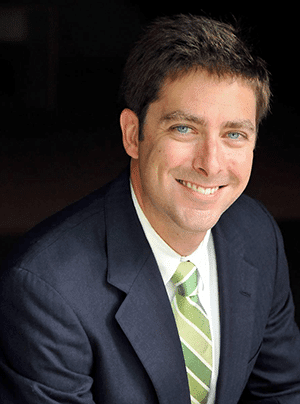 Christopher D. Layton, Esq.
Christopher D. Layton, Esq. is the founder and lead attorney of The Layton Law Firm. He has been practicing law in Charlotte since 2000 and currently focuses on the plaintiff’s needs and personal injury clients. Chris chose to become a lawyer to protect people who would be taken advantage of without strong legal advocacy, and this dedication to the needs of his clients shows in the firm’s strong record of successful results. He founded The Layton Law Firm in 2011.